Why Leafy Sutton Coldfield Roofs Grow So Much Moss
Your roof probably grows more moss than a roof a few miles south of you. That's not bad luck. It's your postcode.
Sutton Coldfield sits on the leafy northern edge of Birmingham, wrapped around Sutton Park and thick with mature trees. All that greenery is lovely to live in. It's also the reason so many local roofs turn green.
The quick answer: Moss needs shade, moisture, and something to feed on. Sutton Coldfield's tall trees, damp inland air, and constant leaf-fall hand it all three. North-facing and tree-shaded roofs here stay wet for hours after the rest of the town has dried, so moss digs in and spreads.
1. Shade is the real culprit, not just rain
Rain falls on every town. What sets a green roof apart from a clean one is how long it stays wet afterward. Sun and wind dry a roof out. Shade traps the damp.
Sutton Coldfield has shade in spades. Streets around Four Oaks, Little Aston and the edges of Sutton Park are lined with big, old trees that throw shadow across roofs for large chunks of the day. A tile that never sees direct sun stays cool and moist, and that's exactly what moss wants.
North-facing slopes get the worst of it. If one side of your roof is green and the other looks fine, shade is almost always why.
2. Sutton Park puts a huge amount of tree cover on your doorstep
Sutton Park is one of the largest urban parks in Europe, running to roughly 2,400 acres of woodland, heath and open grass right on the town's western flank. It's a National Nature Reserve, packed with ancient oaks, birch and holly.
That's brilliant for wildlife and walks. For roofs nearby, it means a steady supply of shade, damp air and airborne moss spores drifting off all that woodland. Homes in Streetly, Boldmere and the roads backing onto the park tend to see it worst.
And moss spreads on the wind. You don't need a tree in your own garden to get a mossy roof. You just need to be downwind of plenty.
3. Leaf-fall feeds the problem every autumn
Here's the part people miss. Moss doesn't only need water. It needs a thin layer of organic muck to root into, and fallen leaves are perfect for that.
Every autumn, mature trees drop leaves across Sutton Coldfield roofs. Some blow off. Plenty lodge in the valleys, behind chimneys and along the bottom courses of tiles. As that debris rots down it forms a soft, spongy bed. Moss settles into it, holds even more moisture, and the whole thing snowballs.
Clear that debris and you starve the moss of its footing. Leave it, and you're basically composting your own roof.
4. The Midlands climate keeps roofs damp longer
Sutton Coldfield sits inland, well away from drying coastal winds. The West Midlands gets steady rainfall spread across the year and plenty of grey, still, humid days.
Those conditions are made for moss. It isn't heavy storms that grow it. It's the slow, constant dampness of an average Midlands week, where a roof never quite gets the chance to bake dry.
Add tree shade on top of that background damp and you get roofs that stay wet for days. That's the local recipe.
5. Older tiles give moss an easier grip
A lot of Sutton Coldfield housing goes back decades. Think Victorian and Edwardian villas, plus rows of solid interwar semis across Wylde Green, Boldmere and Walmley.
Older concrete and clay tiles lose their smooth surface over time. They get slightly rough and porous, and they soak up water instead of shedding it. A pitted tile is a easier landing pad for spores than a fresh, glazed one.
None of that means an old roof is a bad roof. Plenty of these tiles have decades left in them. They just need the moss kept in check so they can do their job.
6. Why moss is worth taking seriously, not ignoring
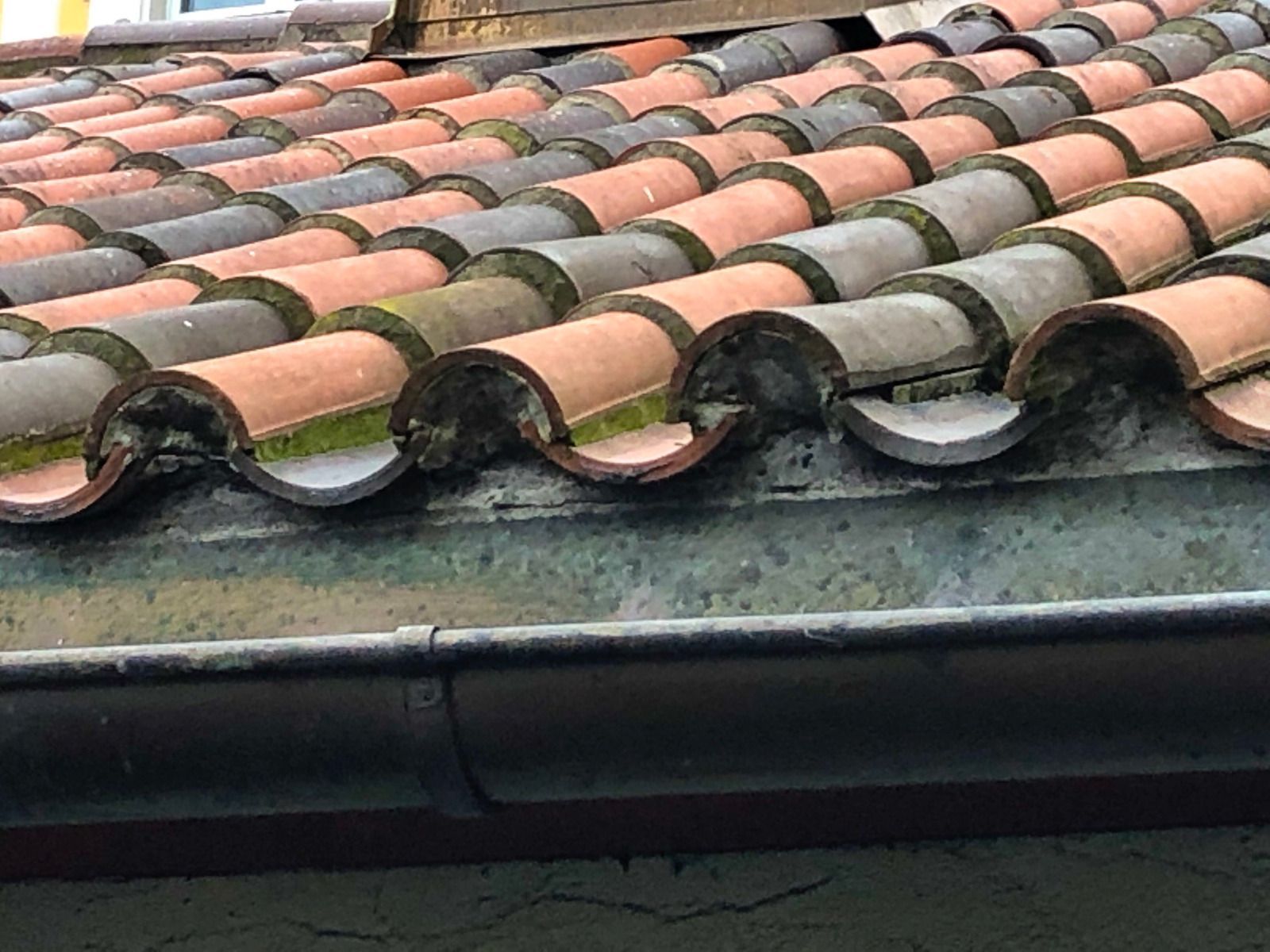
Thick moss holds water against your tiles like a wet sponge. In winter that water freezes, expands, and can crack or lift tiles over repeated frosts. Chunks of moss also break off and slide into gutters, where they cause blockages and overflow.
My honest opinion? Most people wait too long. By the time moss is visible from the street, it's usually been working away up there for a couple of years.
Here's what makes a Sutton Coldfield roof more moss-prone than most:
- Heavy tree cover: mature trees around the park and older streets throw long shade across tiles.
- North-facing slopes: the shaded side dries slowly and stays damp for hours longer.
- Autumn leaf-fall: rotting leaves form the organic bed moss roots into.
- Inland damp: steady Midlands rainfall and still, humid air keep roofs wet.
- Older, porous tiles: weathered surfaces grip spores far more easily than new ones.
Frequently Asked Questions
Does cutting back my trees stop the moss?
It helps a lot. More light and air on the roof means it dries faster, which slows moss down. It won't remove moss that's already there, but it makes cleaning last longer.
Why is only one side of my roof green?
That side is almost certainly north-facing or shaded by trees. It gets less sun, stays damp longer, and grows moss while the sunnier slope stays clearer.
How often do Sutton Coldfield roofs need cleaning?
It depends on how shaded and tree-lined your home is. Heavily shaded roofs near the park tend to need attention sooner than open, sunny ones. A quick look each year tells you where you stand.
Will the moss just grow straight back?
Moss does return over time, but a proper low-pressure clean plus a biocide treatment slows regrowth for a good while. Keeping gutters and valleys clear of leaves stretches it out further.
Is moss actually damaging my roof or just ugly?
Both. It looks tired, but it also traps water against the tiles, feeds frost damage in winter, and drops into gutters. It's worth dealing with rather than living with.
Is your roof greener than your neighbours'?
Ben's Roof Cleaning works across Sutton Coldfield and the West Midlands, with over 15 years of experience. Get in touch or call 07889 127153
for a free, no-obligation quote.
Leafy streets and green roofs go hand in hand here
The trees are a big part of what makes Sutton Coldfield a lovely place to live. They're also why your roof grows moss faster than most. Once you understand that link, the green tiles make sense, and so does keeping on top of them. A shaded, tree-lined roof will always need a bit more care than an open one, and that's just the trade-off for living somewhere this green.