Soft Washing vs Pressure Washing: Why Low Pressure Protects Your Roof
You've seen the videos. Someone points a pressure washer at a filthy roof and blasts a clean stripe through the moss, and it looks incredibly satisfying. It's also one of the worst things you can do to your tiles.
If you own a home in Sutton Coldfield, this matters. A lot of roofs here are older, and the wrong cleaning method does more harm than the moss ever would.
The quick answer: Soft washing uses low-pressure water and a biocide to kill moss and algae at the root, so it dies off and weathers away without harming the tiles. Pressure washing blasts the moss off fast but strips the tile surface, forces water underneath, and can crack or dislodge tiles. On most Sutton Coldfield roofs, low pressure is the safe choice.
1. What soft washing actually is
Soft washing isn't a watered-down version of pressure washing. It's a different approach. You apply a biocide treatment that kills the moss, algae and lichen down at the root, then use gentle, low-pressure water to help clear the loosened growth.
The clever part is what happens after. The treated moss keeps dying back and weathering off over the following weeks, so the roof carries on clearing well after the work is done. The tile surface is left intact.
It's slower and less dramatic than a blast. But it's kinder to the roof, and it lasts.
2. Why pressure washing damages roofs
A pressure washer throws water hard enough to strip paint. Aim that at a roof tile and it scours off the surface layer that protects the tile underneath.
On concrete tiles, that surface is what keeps them weatherproof. Blast it away and the exposed tile soaks up water faster and, ironically, grows moss back quicker than before. High pressure also drives water up under the tiles and into the roof, and it can crack or shift tiles and knock the mortar off ridges. What looks like a great result on day one often causes trouble later.
Here's the frustrating bit. The damage is invisible at first. The roof looks fantastic, and the problems show up months down the line.
3. Sutton Coldfield's older roofs can't take the pressure
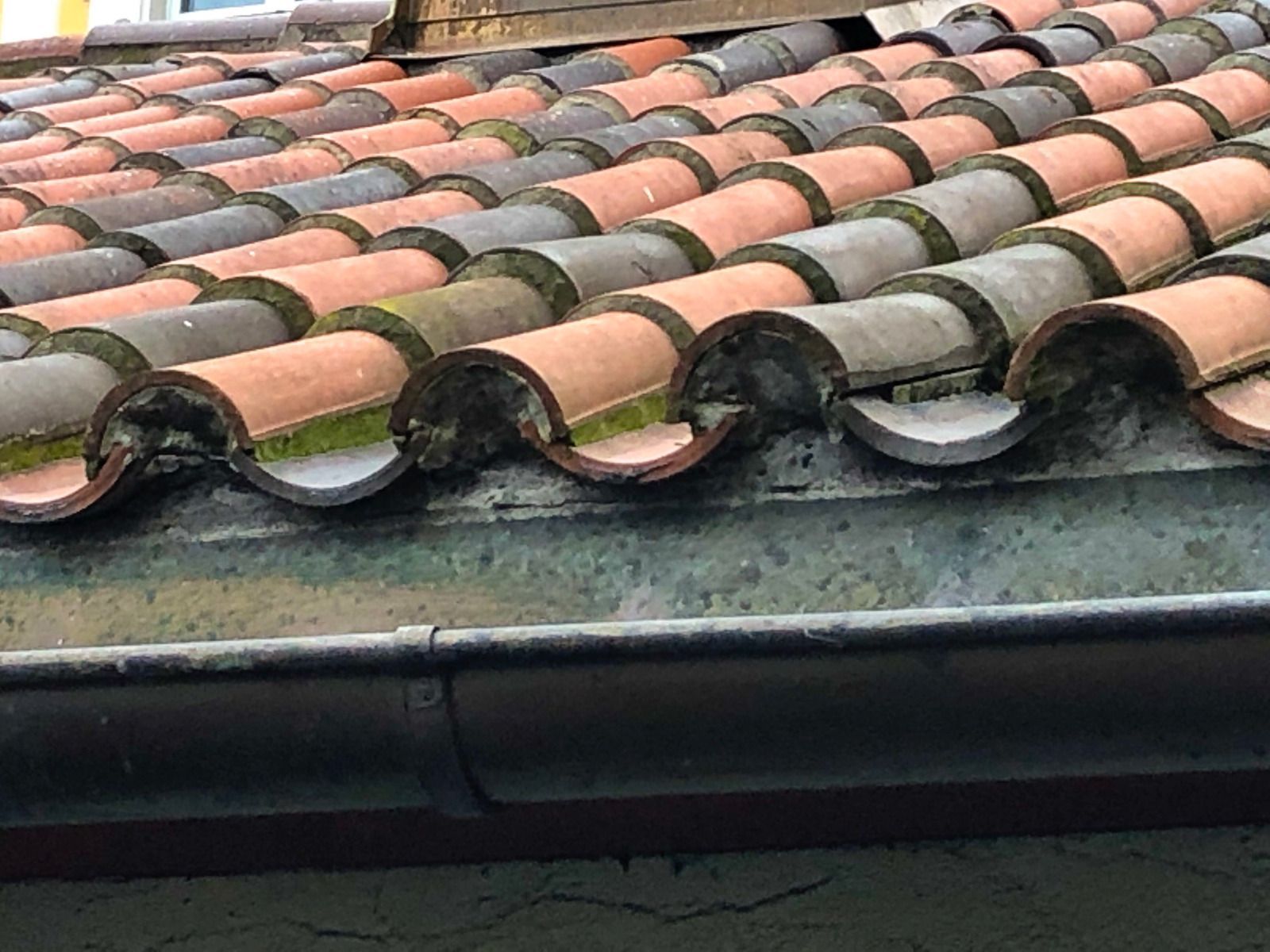
This is where the local picture matters. Sutton Coldfield has a lot of period villas with brittle natural slate, plus rows of interwar semis in Boldmere, Wylde Green and Walmley with ageing concrete tiles.
Old slate is exactly the kind of material that shatters under high pressure. Aged concrete tiles crack and lose their surface. These aren't roofs you want to gamble on with a powerful jet. The gentle route isn't a nice-to-have here, it's the sensible one.
Newer estate roofs cope a bit better, but even those don't need pressure. There's no roof in town that's improved by being blasted.
4. The biocide is doing the real work
People assume the water does the cleaning. With soft washing, the biocide is the part that counts. It treats the growth biologically, killing the spores and roots rather than just scraping off the green you can see.
That's why soft washing lasts longer. Pressure washing removes the visible moss but leaves living roots and spores behind, so it grows back fast. Kill it at the source and regrowth is much slower.
Given Sutton Coldfield's shade and damp, slowing regrowth is the whole game. Anything that just clears the surface is a short-term fix.
5. Gentle doesn't mean less effective
There's a myth that low pressure can't shift heavy moss. Thick moss does need proper treatment and sometimes careful manual removal, but you get there without wrecking the tiles.
The results speak for themselves once the treated moss weathers off. You end up with clean tiles and a roof that stays clearer for longer, without the hidden damage. And the tiles aren't left thirsty and stripped, ready to green up again by next winter.
Here's how the two methods stack up on a typical Sutton Coldfield roof:
- Tile surface: soft washing leaves it intact, high pressure scours it away.
- Water ingress: low pressure keeps water out, a jet forces it under the tiles.
- Old slate and concrete: gentle cleaning protects them, pressure can crack and shift them.
- Regrowth: biocide kills moss at the root, so it comes back slower than after a blast.
- Long-term cost: soft washing avoids the repair bills that pressure damage can bring later.
6. What to ask before anyone touches your roof
If you're getting quotes, the method matters as much as the price. Ask how they plan to clean it. If the answer is pressure washing, think twice, especially on an older Sutton Coldfield home.
A good roof cleaner treats the growth, works at low pressure, and pays attention to valleys, ridges and the shaded slope. They'll explain what they're doing and why, rather than just turning up with a powerful lance.
Your roof has to last decades. It's worth cleaning in a way that respects that.
Frequently Asked Questions
Is soft washing as effective as pressure washing?
Yes, and it lasts longer. Pressure washing removes visible moss fast but leaves the roots, so it regrows quickly. Soft washing kills the growth at the source, so the roof stays clearer for longer.
Will pressure washing really damage my roof?
It can, especially on older tiles. High pressure strips the tile surface, forces water underneath, and can crack or dislodge tiles. The damage often shows up months later rather than straight away.
Why does my roof grow moss back so fast after cleaning?
Usually because only the surface moss was removed and the roots were left behind. A biocide treatment kills it at the root, which slows regrowth far more than scraping or blasting.
Is soft washing safe for old slate roofs?
Yes, that's a big reason it's used. Low pressure and careful handling lift moss off brittle slate without cracking or dislodging it, unlike a high-pressure jet.
How soon will my roof look clean after a soft wash?
Some improvement is immediate, but the treated moss keeps dying back and weathering off over the following weeks. The full result appears as the dead growth clears naturally.
Want your roof cleaned the safe way?
Ben's Roof Cleaning works across Sutton Coldfield and the West Midlands, with over 15 years of experience. Get in touch or call 07889 127153
for a free, no-obligation quote.
Low pressure is the choice that protects your tiles
A pressure washer gives you a quick thrill and a slow problem. Soft washing takes a bit longer and treats the roof properly, killing the moss at the root while leaving the tiles alone. On Sutton Coldfield's mix of older slate and ageing concrete, that gentler approach is the one that keeps a roof sound for the long haul.