Caring for Sutton Coldfield's Varied Period and Semi Roofs
Your roof tells you when it was built, and that matters more than you'd think. The tiles on a Four Oaks villa behave nothing like the ones on a 1930s semi in Boldmere.
Sutton Coldfield has one of the more mixed housing stocks in the West Midlands. Grand period villas sit a few streets from interwar semis and modern estates. Each needs a slightly different touch on the roof.
The quick answer: The right way to clean a roof depends on what it's made of and how old it is. Sutton Coldfield's older clay and concrete tiles, natural slate, and modern interlocking tiles all react differently to cleaning. Knowing the roof comes first. The method follows from that, and it's always low pressure, never a blast.
1. Victorian and Edwardian villas often wear natural slate
The older, grander homes around Four Oaks and the town centre conservation areas frequently have natural slate roofs. Slate is tough and can last a century or more, but it gets brittle with age and the fixing nails corrode.
You can't just walk about on old slate or hit it with pressure. Individual slates crack and slip easily once they've aged. A careful, low-pressure clean is the only sensible way to lift moss off without turning a cleaning job into a repair bill.
These roofs are often steep too, which changes how the work has to be done safely. That steep pitch does help rain run off fast, though.
2. Interwar semis brought concrete tiles by the thousand
Huge parts of Sutton Coldfield went up between the wars. Wylde Green, Boldmere and Walmley are full of solid 1920s and 1930s semis, and a lot of them carry concrete tiles.
Concrete is hard-wearing, but it's porous. Over the decades the surface roughens and drinks in water, which is why these roofs go green so readily. The good news is they take a gentle biocide treatment well, and clearing the moss stops that water sitting in the tile.
But you have to respect the age. Old concrete tiles can be more fragile than they look, so the same low-pressure rule applies.
3. Modern estates use interlocking tiles that shed water
Newer developments around the town, including recent builds on the fringes, tend to use modern interlocking concrete tiles. These are designed to lock together and throw water off quickly.
They resist moss a bit better when new, thanks to smoother surfaces. Give them ten or fifteen years in a shaded Sutton Coldfield spot, though, and they green up like everything else. The trees don't care how new your roof is.
Modern tiles are usually more forgiving to clean, but the principle doesn't change. Gentle wins.
4. Chimneys, valleys and ridges are where trouble starts
Older Sutton Coldfield homes love a chimney. Period villas often have two or three, plus complex roof shapes with valleys and hips where two slopes meet.
Those junctions are exactly where leaves pile up and moss takes hold first. Water is funnelled through valleys, and mortar on ridges and chimneys weathers over time. A good roof clean pays close attention to these spots, not just the open, easy slopes.
Miss the valleys and you've missed the part that actually causes leaks.
5. Why one cleaning method doesn't fit every roof
People sometimes ask for their roof to be pressure washed like a patio. On most Sutton Coldfield roofs, that's the wrong call. High pressure strips the surface off tiles, forces water under them, and can knock ageing slate or old concrete to pieces.
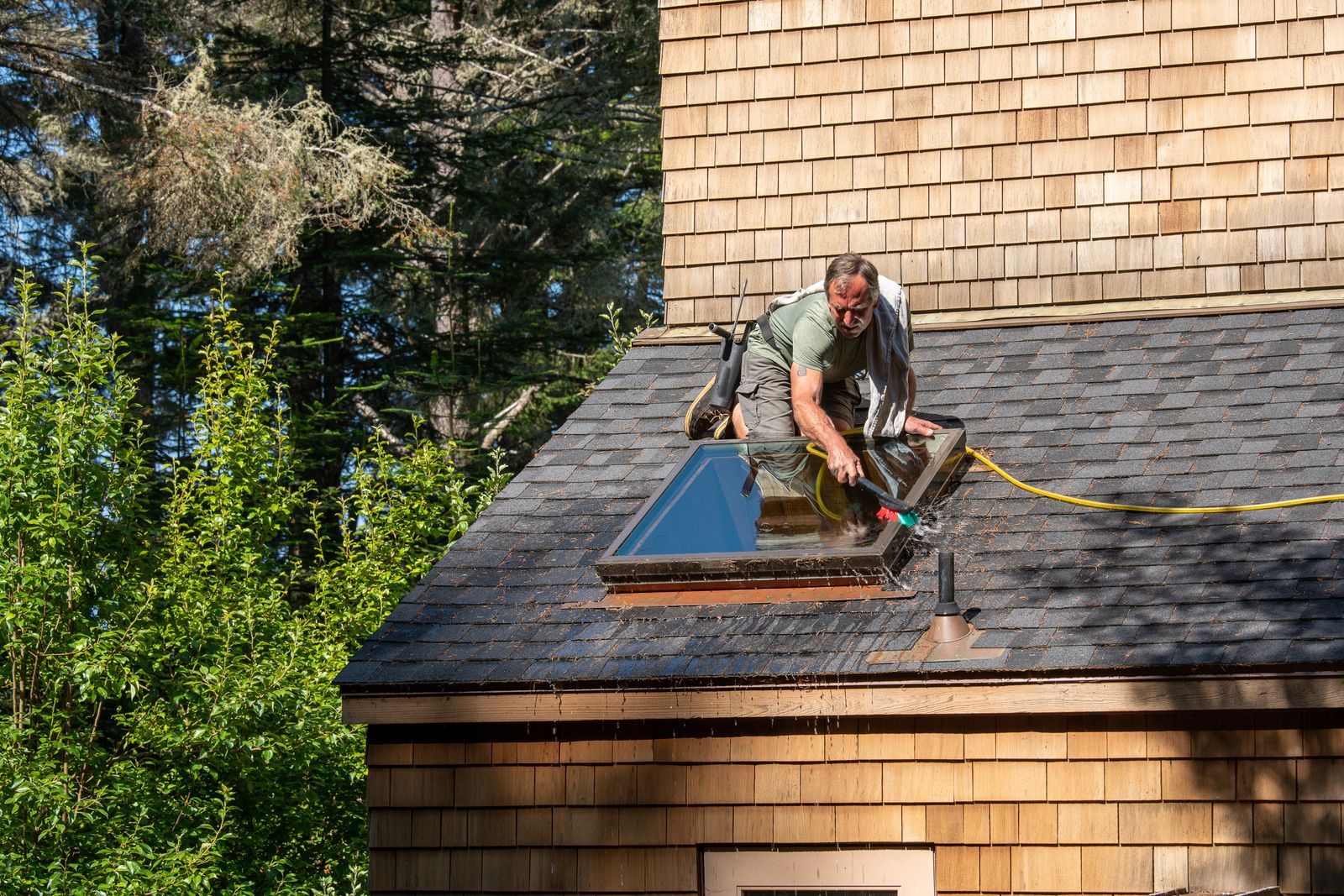
The method that works across all these roof types is soft washing. That means low-pressure water paired with a biocide that kills the moss and algae at the root, then lets it die back and weather away. It's gentle enough for brittle slate and effective enough for porous concrete.
Here's how the main local roof types differ:
- Natural slate: common on Victorian and Edwardian villas, long-lasting but brittle with age, needs the lightest touch.
- Old concrete tiles: everywhere on interwar semis, porous and moss-prone, respond well to biocide treatment.
- Modern interlocking tiles: on newer estates, shed water fast but still green up in shade.
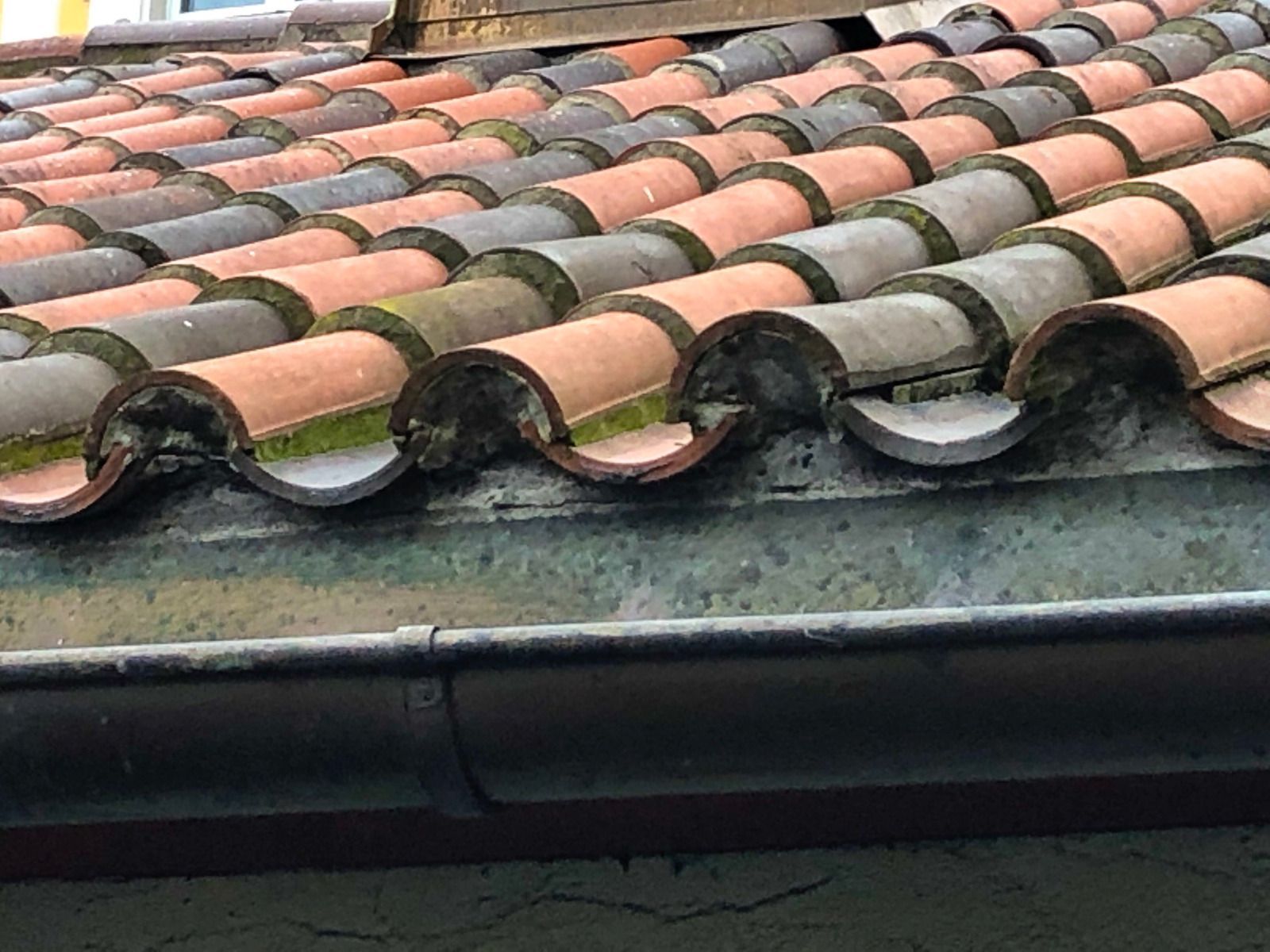
- Clay tiles: found on some older roofs, hard-wearing but can flake if handled roughly.
- Ridges and valleys: the weak points on any roof, where moss and debris gather first.
6. Matching the care to the house
A roof clean isn't one fixed thing you do the same way everywhere. On a slate villa near the town centre it's slow and careful. On a concrete-tiled semi in Walmley it's about lifting years of moss and treating the surface so it stays clearer for longer.
The starting point is always a proper look at what you've got up there. Age, tile type, pitch and the state of the mortar all steer the job.
Get that read right and the roof gets cleaner and lasts longer. Get it wrong and you can do real harm with the best of intentions.
Frequently Asked Questions
How do I know if my roof is slate or concrete?
Slate looks thin, flat and often grey or blue-grey, common on older villas. Concrete tiles are chunkier and more uniform. If you're unsure, a close look during a survey settles it quickly.
Is my old slate roof too fragile to clean?
Not usually, but it needs the right approach. Low-pressure cleaning and careful access mean the moss comes off without cracking or dislodging slates. Aggressive pressure washing is what damages old slate.
My semi is nearly a hundred years old. Are the tiles still fine?
Often yes. Plenty of interwar concrete tiles have years left in them. Keeping moss off and water out of the surface helps them last, which is the whole point of cleaning.
Do modern tiles really need cleaning too?
Yes, once they've weathered a bit. New tiles resist moss for a while, but a shaded spot near mature trees will green up any roof given enough time.
Should the whole roof be cleaned or just the mossy side?
Usually the mossy areas need the work, but valleys, ridges and the shaded slope all deserve a look. Treating the worst side alone often just delays the same job on the rest.
Not sure what your roof needs?
Ben's Roof Cleaning works across Sutton Coldfield and the West Midlands, with over 15 years of experience. Get in touch or call 07889 127153
for a free, no-obligation quote.
The right care depends on the roof over your head
Sutton Coldfield's houses were built across a lot of different decades, and their roofs reflect that. A slate villa and a concrete semi are two different animals, and treating them the same helps neither. Knowing what sits above you, and cleaning it in a way that suits its age, is what keeps a roof doing its job for years to come.