Can Damp Fascia Boards Lead to Immediate Roof Damage?
Discovering damp fascia boards raises a worrying question: is this just a roofline problem, or could it be damaging the roof itself, and quickly? The reassuring answer is that damp fascia usually damages gradually, over seasons, rather than causing immediate roof damage. But it is not something to ignore, because damp fascia that rots can open the way for water and pests into the roof space, and once that path is open, heavy rain can exploit it. Understanding the real timescale and risks helps you respond sensibly to damp fascia.
This guide explains whether damp fascia boards can lead to immediate roof damage, and what the actual risks are.
The Damage Is Usually Gradual
Damp fascia boards typically cause damage slowly rather than immediately. The fascia becomes damp, usually from an overflowing gutter, and stays wet, and over seasons that persistent damp rots the timber. This is a gradual process, the board softening and decaying over time, not a sudden failure. So in the normal course, damp fascia is a developing problem that gives time to notice and address it, not an immediate crisis.
This means that finding damp fascia is usually a prompt to act soon rather than a same-day emergency. The damp itself, and the rot it leads to, develop over months, so addressing the cause, the gutter overflow, and the board before it rots through is a matter of timely action rather than urgent response. So the honest picture is that damp fascia usually leads to gradual, not immediate, damage, which is reassuring but not a reason to ignore it. Clearing the
Gutter Cleaning to stop the overflow addresses the cause.
How It Can Reach the Roof
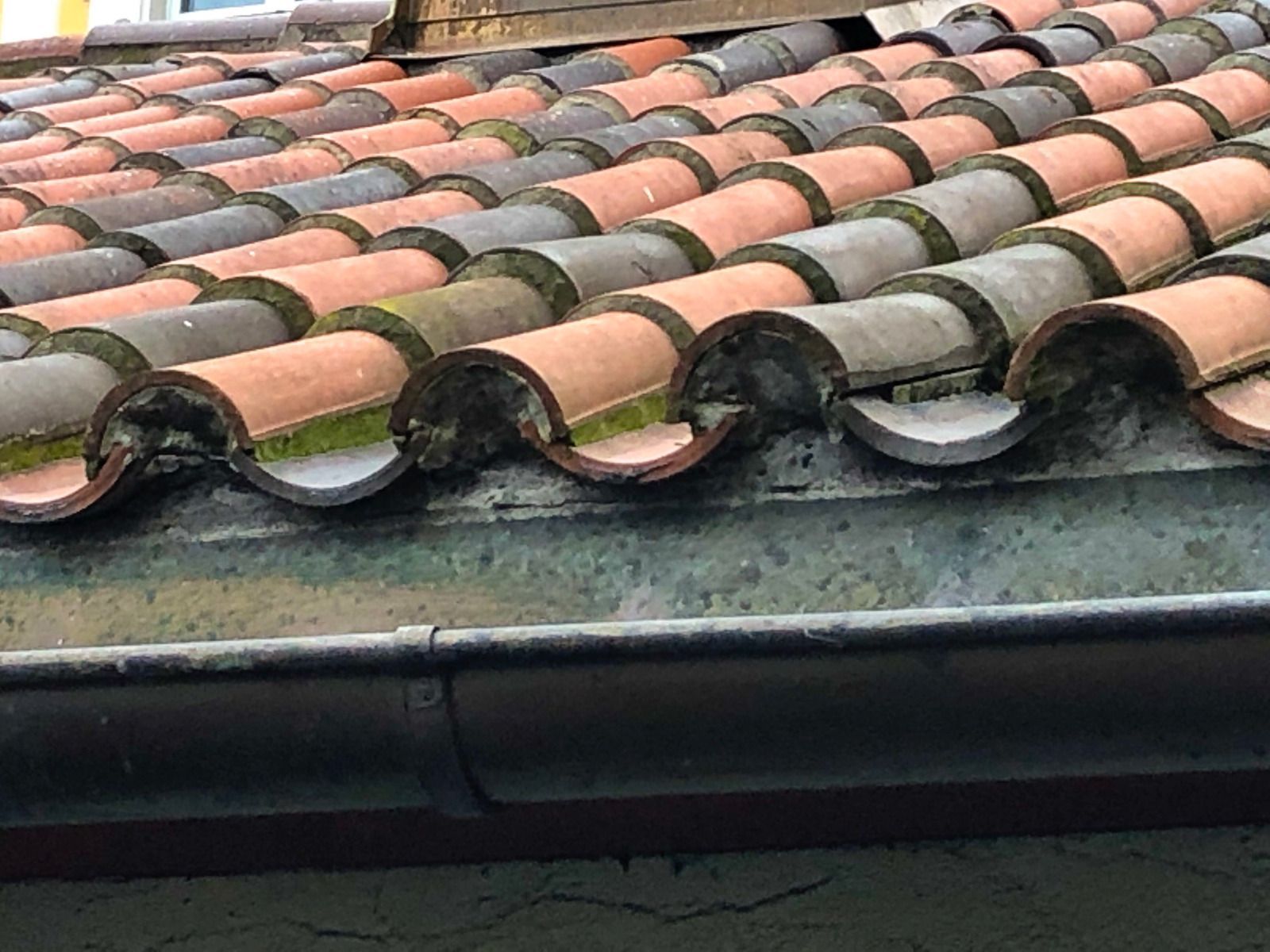
While the damage is gradual, damp fascia can eventually affect the roof, which is why it should not be left. The fascia, with the soffit, helps close off the roof edge and eaves, keeping water and pests out of the roof space. As damp fascia rots, it can open gaps at the roofline, and those gaps can let water into the roof structure and provide entry points for pests and birds.
So the route from damp fascia to roof damage is through the rot opening the roofline's defences. Once the fascia has rotted and gaps have opened, water can get into the roof space more readily, especially during heavy rain, and pests can enter. At that stage, the problem has moved from the fascia to potentially affecting the roof structure and interior. So damp fascia left to rot can eventually reach the roof, which is the real risk, though it develops over time rather than immediately. Keeping the roof clear through
Roof Cleaning reduces the moss that blocks gutters and causes the fascia damp.
Tip: Do not wait for damp fascia to rot through before acting. While the damage is gradual, the window to fix it easily, by stopping the gutter overflow and addressing the board while still sound, is before it rots and opens gaps to the roof space. Acting on damp fascia promptly keeps the problem at the fascia rather than letting it reach the roof.
When It Can Escalate Faster
Although usually gradual, the situation can escalate more quickly once the fascia has already rotted and gaps have opened. If damp has been left long enough to rot the fascia and open the roofline, then heavy rain can drive water through those gaps into the roof space relatively quickly, so at that advanced stage the damage can develop faster than the slow rot that preceded it.
So the timescale depends on how far the damp has already progressed. Early damp on a still-sound fascia is a gradual, low-urgency problem. Advanced damp that has rotted the fascia and opened gaps is more pressing, as water can then reach the roof space during heavy rain. This is why catching damp fascia early matters, it keeps the problem in the slow, manageable phase rather than letting it reach the stage where heavy rain can exploit the gaps. So while damp fascia rarely causes immediate roof damage, neglected damp that has rotted the boards can escalate faster once the roofline is breached. In our 15 years on Sussex roofs and gutters, the cases reaching the roof are the long-neglected, rotted ones.
Acting Before It Reaches the Roof
The way to prevent damp fascia reaching the roof is to act before it rots through, addressing the damp and its cause while the situation is still gradual. This means fixing the gutter overflow that is usually causing the damp, so the fascia can dry, and addressing the board, cleaning and drying it if still sound, or having it dealt with if rotted. Catching it early keeps the problem at the fascia.
An assessment of the fascia and the gutters causing the damp guides the right action and confirms whether the roof space is at risk. Because damp fascia usually develops gradually, there is normally time to act before it reaches the roof, provided you do not ignore it. So the sensible response to damp fascia is prompt but not panicked, fix the cause and address the board before the gradual damage reaches the roof. Regular roofline maintenance, keeping gutters clear and checking the boards, catches damp fascia early, well before it can affect the roof.
Damp fascia boards usually cause gradual rather than immediate roof damage, rotting over seasons and eventually letting water and pests into the roof space. But if damp has already rotted the fascia and opened gaps, water can get into the roof structure more readily during heavy rain, so the situation can escalate. Addressing damp fascia promptly, and the gutter overflow causing it, prevents the damage reaching the roof.
Frequently Asked Questions
Does damp fascia damage the roof immediately?
Usually not. Damp fascia typically causes gradual damage, rotting over seasons rather than failing suddenly, so it is normally a developing problem rather than an immediate crisis. The damp, usually from an overflowing gutter, rots the board over time, and only once rotted can it open gaps that let water and pests toward the roof space. So damp fascia rarely causes immediate roof damage, though it should be addressed before the gradual damage progresses.
How can damp fascia affect the roof at all?
Through rot opening the roofline's defences. The fascia, with the soffit, helps close off the roof edge and eaves, keeping water and pests out of the roof space. As damp fascia rots, it can open gaps that let water into the roof structure and provide entry points for pests and birds. So the route from damp fascia to roof damage is through the rot breaching the roofline, which develops over time rather than immediately.
Can the situation get worse quickly?
It can escalate faster once the fascia has already rotted and gaps have opened. At that advanced stage, heavy rain can drive water through the gaps into the roof space relatively quickly, faster than the slow rot that preceded it. So the timescale depends on how far the damp has progressed, early damp on a sound board is gradual and low-urgency, while advanced damp that has rotted the board and opened gaps is more pressing. Catching it early keeps it in the slow phase.
How urgent is damp fascia?
Usually a prompt-but-not-emergency situation, since the damage develops gradually over seasons, giving time to act. It becomes more pressing if the fascia has already rotted and opened gaps to the roof space, where heavy rain can then reach. So finding damp fascia is a prompt to act soon, fix the gutter overflow and address the board, rather than a same-day emergency, but it should not be ignored, as neglect lets it progress toward the roof.
How do I stop damp fascia reaching the roof?
By acting before it rots through. Fix the gutter overflow usually causing the damp so the fascia can dry, and address the board, cleaning and drying if still sound, or dealing with it if rotted, while the situation is still gradual. An assessment guides the right action and confirms whether the roof space is at risk. Regular roofline maintenance catches damp fascia early, well before it can affect the roof, keeping the problem at the fascia.
Catch damp fascia before it spreads — Book gutter clearing and a fascia check to stop overflow and protect the roofline. Ben's Roof Cleaning maintains rooflines across Sutton Coldfield, West Midlands. Call 0788 912 7153.
Gradual, but Not to Be Ignored
Can damp fascia boards lead to immediate roof damage? Usually not, the damage is typically gradual, with the fascia rotting over seasons rather than failing suddenly. But damp fascia should not be ignored, because as it rots it can open gaps that let water and pests into the roof space, and once those gaps are open, heavy rain can drive water through relatively quickly. So the situation can escalate faster at the advanced stage, though it rarely starts with immediate roof damage. The sensible response is prompt but not panicked: fix the gutter overflow causing the damp and address the fascia while still sound, catching it early so the gradual problem never reaches the roof. Regular roofline maintenance keeps damp fascia caught well before it can.